
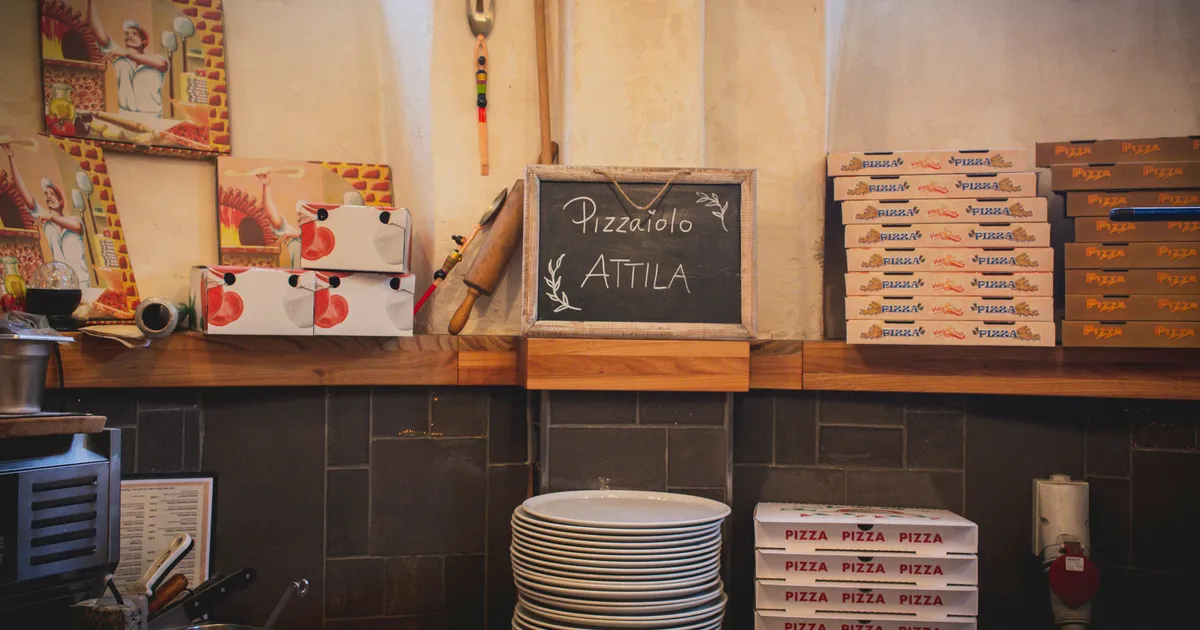
Why pizza has some of the best margins in the industry and how to keep them that way
What this article covers
| Benchmark food cost percentages by pizza styleCost breakdown for a standard cheese pizzaWhere pizza restaurants lose margin on toppingsStrategies to optimize pizza food cost |
|---|
Why pizza margins are among the best in the industry
Pizza restaurants typically operate at 24 to 30 percent food cost, well below the industry average. The reason is simple: dough, sauce, and cheese are inexpensive relative to menu prices. A 14-inch cheese pizza that costs three dollars and fifty cents to make can sell for sixteen to twenty-two dollars, delivering a gross margin of 78 to 84 percent.
This makes pizza one of the most forgiving restaurant concepts from a food cost perspective. But that natural advantage can erode quickly if cheese portioning drifts, premium toppings are underpriced, or waste goes unmanaged.
Food cost benchmarks by pizza style
| Pizza Style | Typical Food Cost | Notes |
|---|---|---|
| New York slice shop | 22–28% | High volume, simple toppings, low waste |
| Neapolitan or artisan | 26–32% | Premium imported ingredients |
| Deep dish or Detroit style | 28–33% | More cheese and dough per pie |
| Fast casual pizza | 25–30% | Streamlined menu, portion-controlled |
| Full-service Italian with pizza | 28–35% | Pizza subsidizes higher-cost entrées |
| Delivery-focused | 24–30% | Volume-driven, limited menu |
Cost breakdown: cheese pizza (14-inch)
| Ingredient | Amount | Cost |
|---|---|---|
| Dough ball (16 oz) | 1 | $0.65 |
| Pizza sauce (4 oz) | 1 portion | $0.40 |
| Mozzarella | 8 oz | $1.60 |
| Olive oil drizzle | 0.5 oz | $0.12 |
| Flour for stretching | — | $0.05 |
| Total | — | $2.82 |
At a sixteen dollar menu price the food cost is 17.6 percent. At fourteen dollars the food cost is 20.1 percent. This is why cheese pizza is one of the highest-margin items in all of food service.
Where pizza restaurants lose margin
Premium toppings. Pepperoni, sausage, and vegetables are moderate. But prosciutto at eighteen to twenty-four dollars per pound, truffle oil, and burrata push food cost significantly higher. A specialty pizza with prosciutto and burrata can easily hit 35 to 40 percent food cost even at a premium price point.
Cheese over-portioning. Cheese is typically 40 to 50 percent of pizza food cost. An extra ounce per pizza costs roughly twenty cents. At five hundred pizzas per week that adds up to over five thousand dollars per year.
Dough waste. Dough that is made but not used must be tracked. If the kitchen makes one hundred dough balls but only sells eighty-five pizzas, fifteen dough balls went to waste.
How to optimize pizza food cost
Negotiate cheese pricing. A ten-cent-per-pound savings on mozzarella at two hundred pounds per week equals over one thousand dollars per year.
Standardize portions. Use a scale for cheese and a measured ladle for sauce. Consistency across every cook on every shift is the goal.
Engineer your menu. Promote pizzas with lower food cost. A margherita at 20 percent food cost should be featured more prominently than a meat lovers at 32 percent.
Tools like Vellin let you scan invoices with your phone and track food cost automatically. The core features are completely free.
Summary
Pizza restaurants should target 24 to 30 percent food cost with cheese pizza as the margin leader at 17 to 22 percent. The key variables are cheese cost, topping selection, and portion control. Negotiate cheese pricing aggressively, standardize every portion, and promote your highest-margin pies.
Prepared for the Vellin blog library.
Food Cost Percentage for Italian Restaurants
Why pasta-heavy menus deliver excellent margins and how to optimize your Italian concept
What this article covers
| Typical food cost range for Italian restaurantsWhy pasta is a margin powerhouseCost comparison across Italian menu categoriesStrategies for managing cheese and protein costs |
|---|
Why Italian restaurants have strong food cost economics
Italian restaurants typically operate at 26 to 32 percent food cost, below the industry average. The secret is pasta. Flour, eggs, and water are among the cheapest ingredients in any kitchen, and pasta dishes command sixteen to twenty-eight dollar menu prices while costing two-fifty to five dollars to plate.
Food cost benchmarks by menu category
| Menu Category | Typical Food Cost |
|---|---|
| Pasta dishes | 18–26% |
| Chicken and veal entrées | 28–34% |
| Seafood entrées | 32–40% |
| Appetizers | 22–28% |
| Pizzas | 20–28% |
| Desserts | 18–25% |
| Overall blended | 26–32% |
Pasta: the margin powerhouse
| Pasta Dish | Plate Cost | Menu Price | Food Cost |
|---|---|---|---|
| Spaghetti Aglio e Olio | $1.80 | $16 | 11.3% |
| Penne Alla Vodka | $2.90 | $18 | 16.1% |
| Fettuccine Alfredo | $3.20 | $19 | 16.8% |
| Linguine with Clam Sauce | $5.40 | $22 | 24.5% |
| Chicken Parmesan with Pasta | $6.40 | $24 | 26.7% |
Pasta dishes are consistently the highest-margin items on any Italian menu. The base cost of dry pasta is eight to twelve cents per ounce, and sauces made from tomatoes, cream, butter, and garlic cost pennies per serving.
Optimizing Italian restaurant food cost
Lead with pasta. Feature pasta dishes prominently. Suggest pasta specials. Train servers to recommend high-margin pasta options first.
Use pasta to subsidize proteins. A veal chop at 38 percent food cost is fine if your pasta dishes average 20 percent. The blended menu food cost stays in range.
Control cheese portions. Italian cooking uses a lot of cheese. Mozzarella, parmesan, and ricotta are typically 10 to 15 percent of total food cost. Standardize every portion.
Make sauces in-house. House-made marinara, alfredo, and pesto cost a fraction of purchased sauces and taste better. This is a rare case where quality improvement actually lowers cost.
Tools like Vellin let you scan invoices with your phone and track food cost automatically. The core features are completely free.
Summary
Italian restaurants should target 26 to 32 percent food cost. Pasta dishes provide exceptional margins that subsidize higher-cost protein and seafood entrées. The keys are promoting pasta, controlling cheese portions, making sauces in-house, and using menu engineering to optimize the overall mix.
Prepared for the Vellin blog library.
Food Cost Percentage for Mexican Restaurants
How the lowest-cost base ingredients in food service create exceptional margins
What this article covers
| Typical food cost range for Mexican and Tex-Mex conceptsWhy rice, beans, and tortillas create outstanding marginsWhere Mexican restaurants lose marginStrategies for managing avocado and protein costs |
|---|
Why Mexican restaurants have great food cost economics
Mexican and Tex-Mex restaurants enjoy some of the best food cost economics in the industry, typically running 24 to 31 percent. The foundation ingredients—rice, beans, tortillas, onions, peppers, cilantro—are among the cheapest in food service, creating excellent base margins that absorb the higher cost of proteins.
Food cost benchmarks by item
| Item Category | Typical Food Cost | Notes |
|---|---|---|
| Tacos (chicken or pork) | 22–28% | Tortillas and base very cheap |
| Tacos (steak or shrimp) | 30–38% | Protein drives cost up |
| Burritos | 24–30% | Rice and beans keep base low |
| Enchiladas | 22–28% | Sauce and tortilla heavy |
| Quesadillas | 20–26% | Cheese and tortilla only |
| Fajitas | 28–35% | Peppers cheap but protein varies |
| Chips and salsa | 10–15% | Highest-margin item anywhere |
| Guacamole | 25–35% | Avocado prices are volatile |
The base ingredient advantage
| Ingredient | Cost per Serving | Notes |
|---|---|---|
| Flour tortilla (10-inch) | $0.12–$0.18 | Extremely inexpensive |
| Corn tortilla (6-inch) | $0.05–$0.08 | Even cheaper |
| Mexican rice (6 oz cooked) | $0.10–$0.15 | Pennies per serving |
| Refried beans (4 oz) | $0.12–$0.18 | Canned or dry, both cheap |
| Pico de gallo (3 oz) | $0.20–$0.30 | Tomato, onion, cilantro, lime |
| Sour cream (1.5 oz) | $0.12–$0.15 | Low cost per portion |
A basic chicken burrito with all these components costs one-eighty to two-fifty to make and sells for ten to fourteen dollars. That is an 18 to 25 percent food cost.
Where Mexican restaurants lose margin
Avocados. Avocado prices swing from one dollar to over three dollars per avocado depending on season and supply. If guacamole is a core menu item, you need to either adjust pricing with the market or accept margin fluctuation.
Complimentary chips and salsa. While chips are inexpensive, unlimited refills add up. Track your chips cost per table. It is often fifty cents to a dollar fifty per table.
Cheese. Queso, quesadillas, and cheese-topped items use significant cheese volume. Track cheese usage and standardize portions.
Tools like Vellin let you scan invoices with your phone and track food cost automatically. The core features are completely free.
Summary
Mexican restaurants should target 24 to 31 percent food cost. The cuisine has natural margin advantages from low-cost base ingredients. The biggest risks are avocado price volatility, premium protein portions, and complimentary chips costs. Standardize portions, track prices weekly, and promote high-margin items.
Prepared for the Vellin blog library.